
Who we are
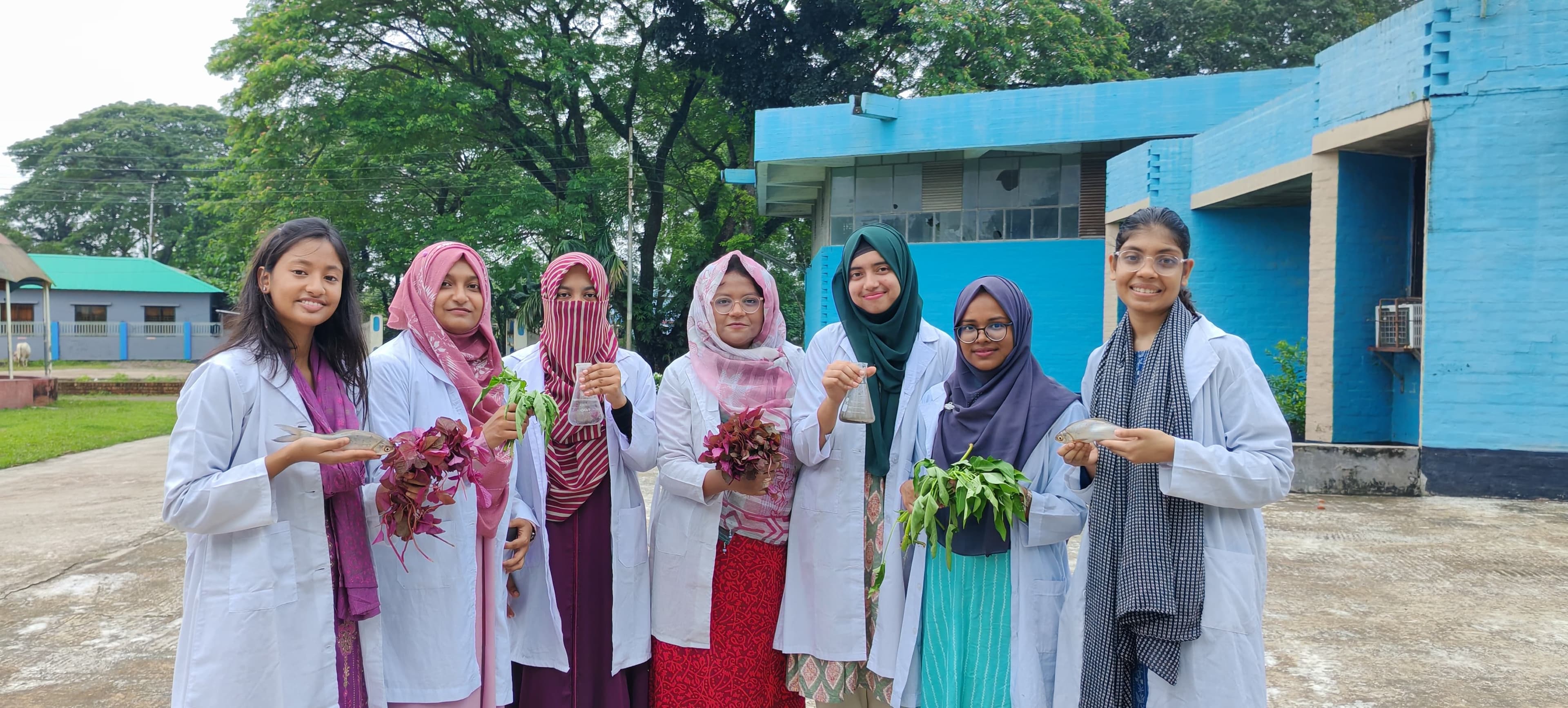
Seven researchers.
One conviction.
Agro-Feme Septet began not as a project but as a question, and the stubbornness to pursue it through two research years, two international awards, and one government framework.
Our mission
To demonstrate, at scale, that nature-based food systems managed by women outperform extractive agriculture on every metric that matters: yield, soil health, household income, and ecological resilience.
What guides us
Our values
- Women at the centre
- Every research decision, from hypothesis to dissemination, is led by or co-designed with women. Participation is not optics; it is methodology.
- Nature-based, not nature-adjacent
- We reject interventions that merely reduce chemical load. Our benchmark is ecosystem restoration: soil biota, water retention, biodiversity indices.
- Community before journal
- Findings go back to farming households in plain language before they go to academic reviewers. Communities are co-authors of the knowledge, not subjects.
- Rigour without extractivism
- We publish open access, share raw datasets, and train local enumerators to own the data long after we leave. Research relationships do not end at harvest.
How we got here
Timeline
Founded at BAU
Seven undergraduate researchers form an informal study group at Bangladesh Agricultural University, Mymensingh, unified by a single question: can ecological interventions outperform chemical inputs for smallholder food security?
First field trials
Initial farming households in Mymensingh join the participatory research. Floating vegetable beds built on water hyacinth biomass are established alongside filter-feeding fish in monitored ponds. Water quality baselines recorded at four sites.
Peer-reviewed publication
Findings from the first crop cycle published in the Journal of Agricultural Science, Bangladesh. The paper becomes one of the most downloaded articles from a Bangladeshi university that year.
Green Future Prize
BRAC and UN Environment Programme award Agro-Feme Septet the Youth Category prize. Funding enables scaling to 47 households across Mymensingh and hiring community liaisons.
National & international recognition
Two awards in one year: Bangladesh Academy of Sciences Best Innovation in Sustainable Agriculture, and the FAO Regional Women in Agriculture Award for South Asia.
Policy integration
Research findings cited in the Bangladesh National Agro-Ecological Transition Framework. The team now advises the Ministry of Agriculture on women-led extension programming.
Voices That Support Us
Recognised by those shaping the future of food.
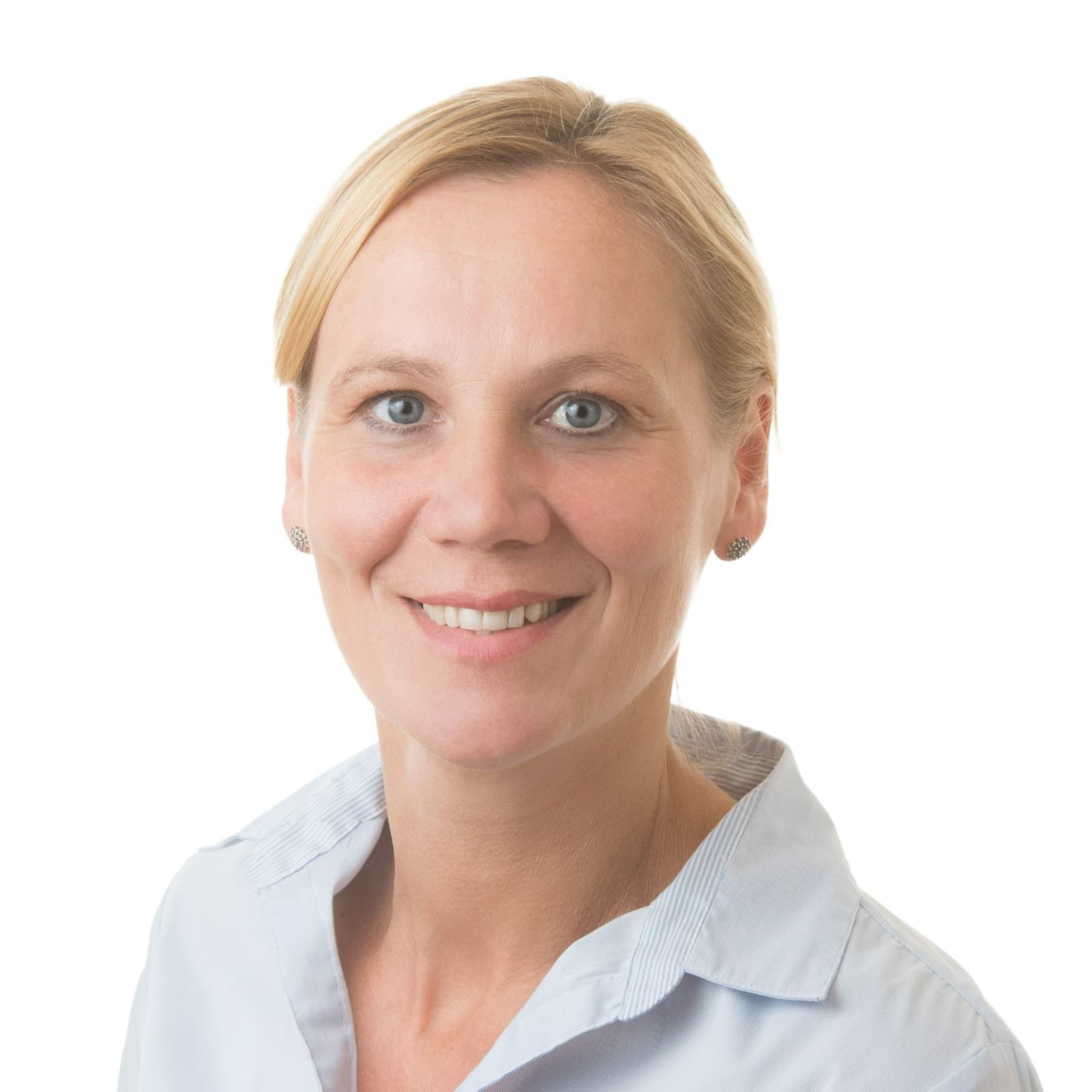
AGRO-FEME SEPTET is turning one of Bangladesh's most stubborn environmental problems into an opportunity. Their integrated approach, using water hyacinth as a resource rather than a nuisance, shows exactly the kind of systems thinking we need in the next generation of food innovators. I'm proud to see them grow from the Food Systems Innovation Challenge into Youth Food Lab, and excited to see the impact they'll create.
ir. M (Mirjam) Troost
Project Manager, Food Systems Innovation Challenge & Youth Food Lab Global
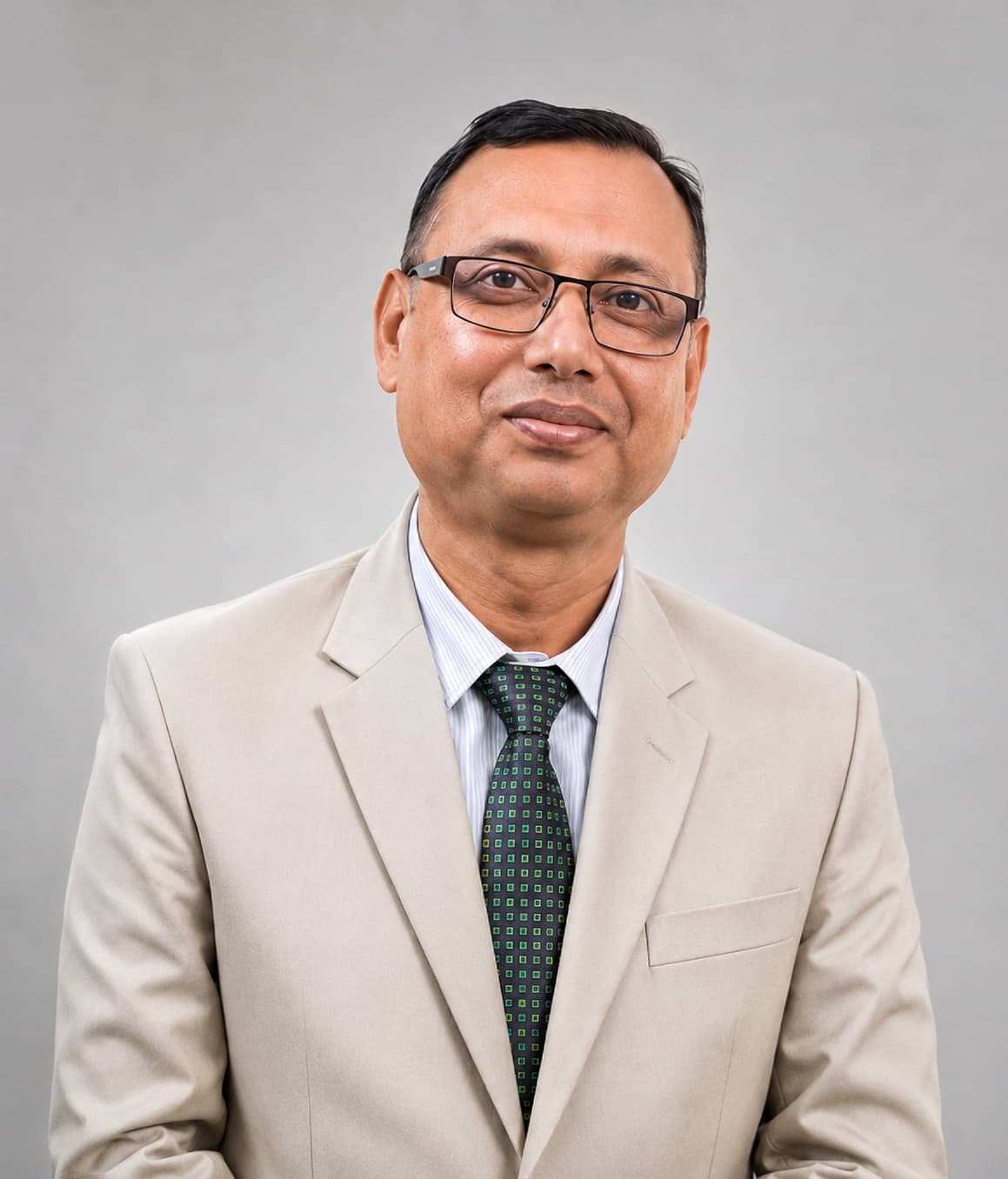
From the very beginning to AGRO-FEME SEPTET's success at the 2025 Food Systems Innovation Challenge, I had the privilege of witnessing firsthand how the team transformed their vision into a meaningful, real-world solution. Their professionalism, perseverance, and evidence-based approach earned them well-deserved global recognition. I look forward to continuing this journey with this exceptional team as they drive innovation and create lasting impact toward more sustainable and resilient food systems.
Dr. Mohammad Matiur Rahman
Campus Co-ordinator, 2025 Food System Innovation Challenge; Professor, Department of Fisheries Biology and Genetics, Bangladesh Agricultural University
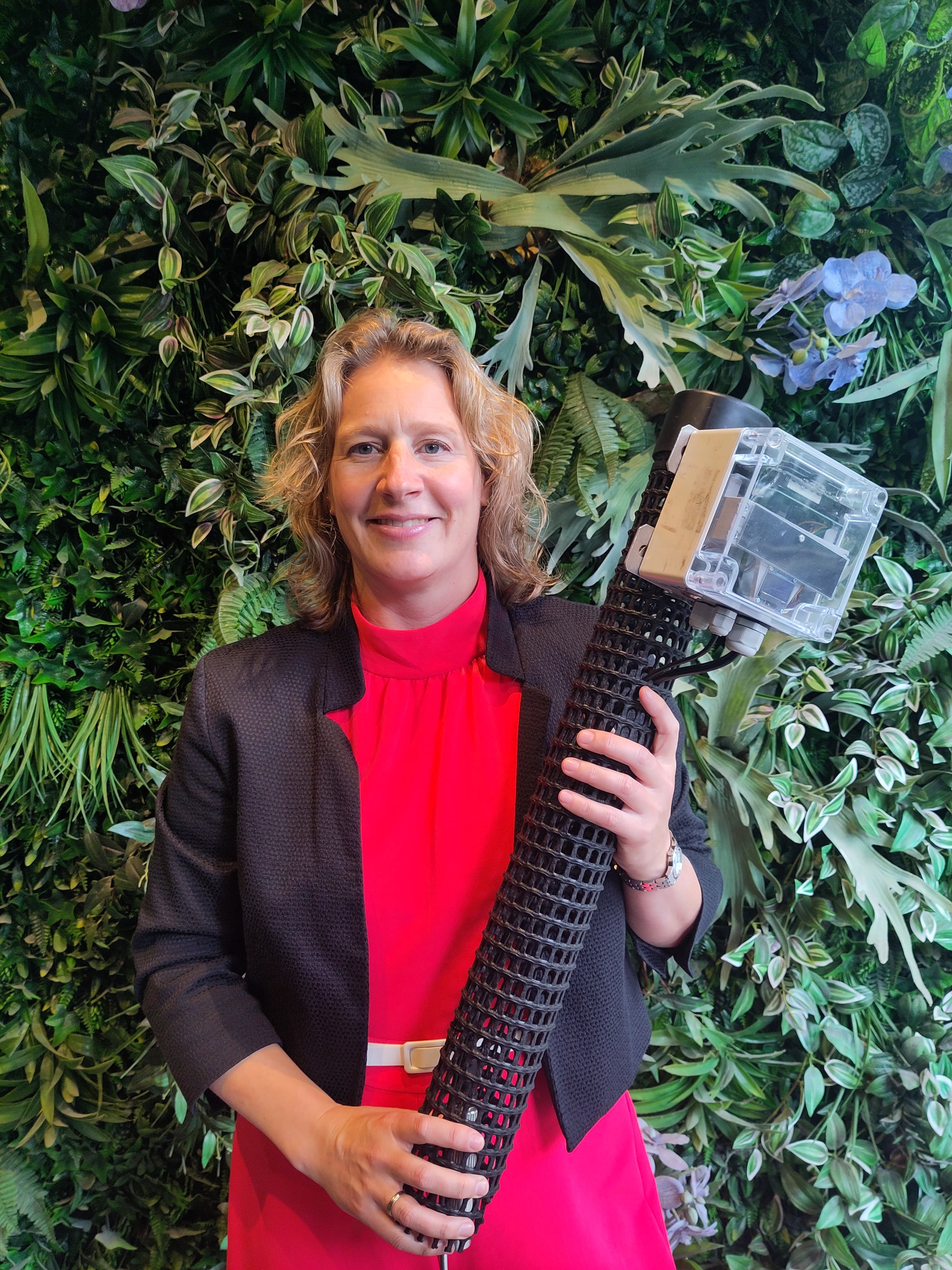
It's such an honour for me to be allowed to coach this team. Trying to combine studying with setting up a business that can change this enormous problem in Bangladesh is a huge challenge. They never cease to amaze me. Their learning curve is incredibly steep and they're working super hard. Their overall level of understanding and intelligence for the solution they offer is high and their entrepreneurial skills growing. I have high expectations for the success of this team.
Dr. Ir. Marjolein Helder
Founder & CEO, Plant-e; Coach to Agro-Feme Septet